Headquarters: Svetog Nauma 7, 11000
Office address: Đorđa Vajferta 13, 11000
Phone:: +381 11 4529 323
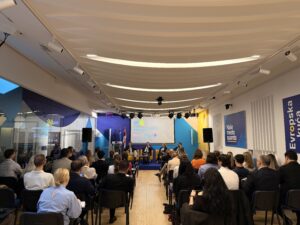

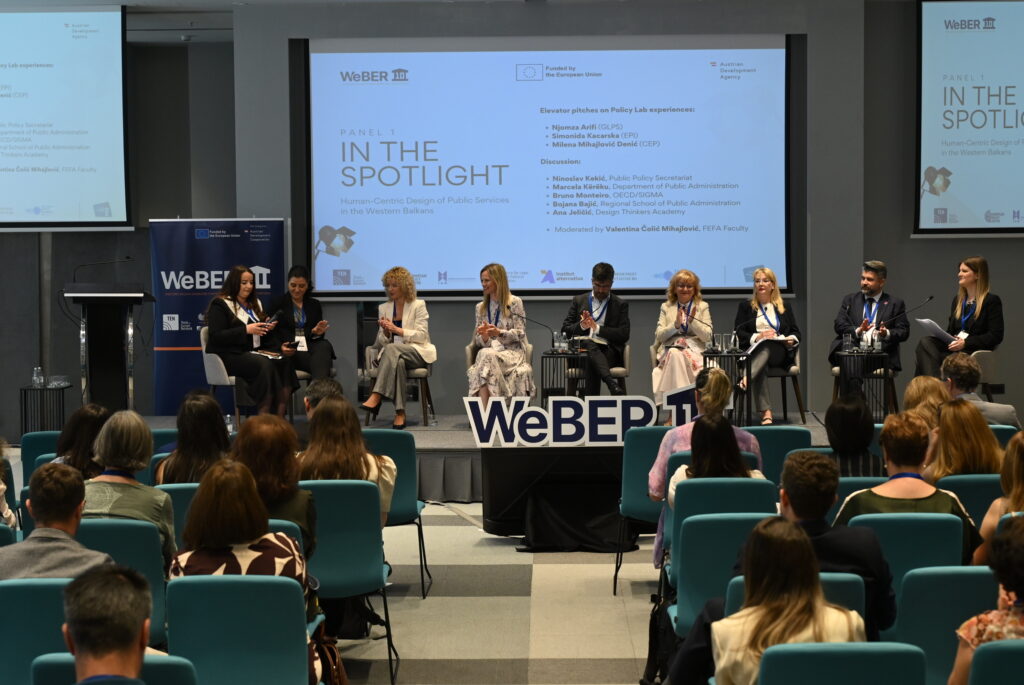
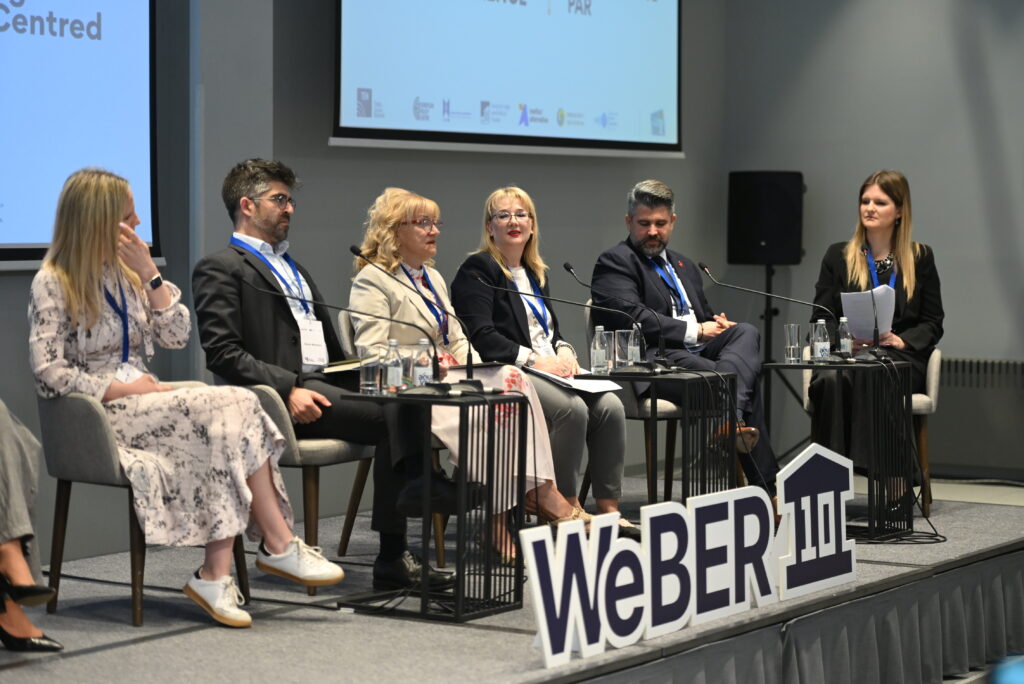
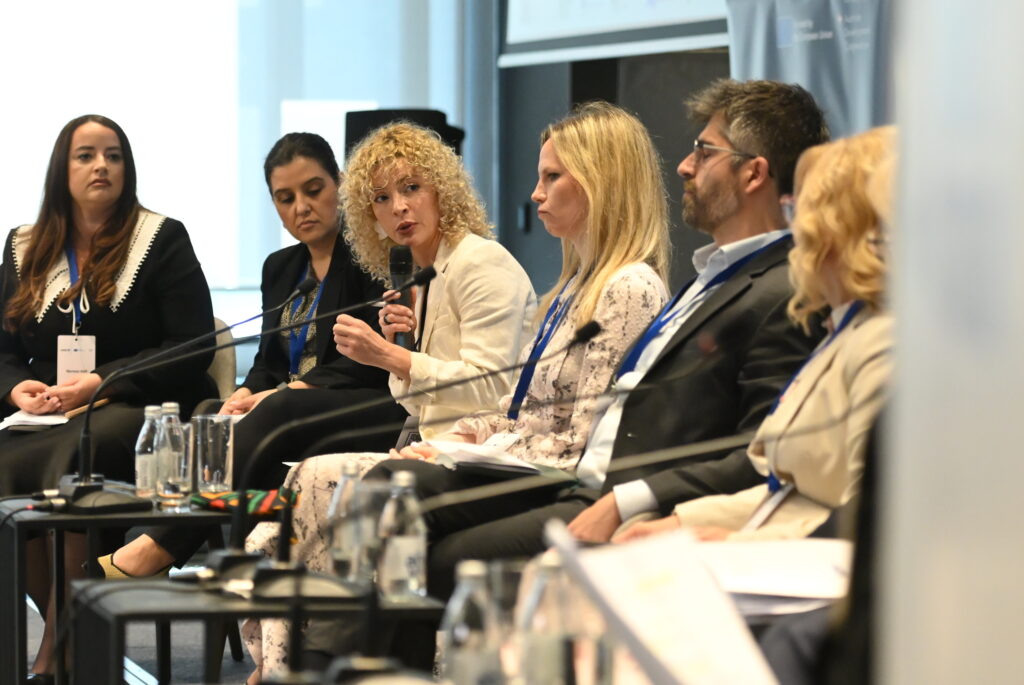
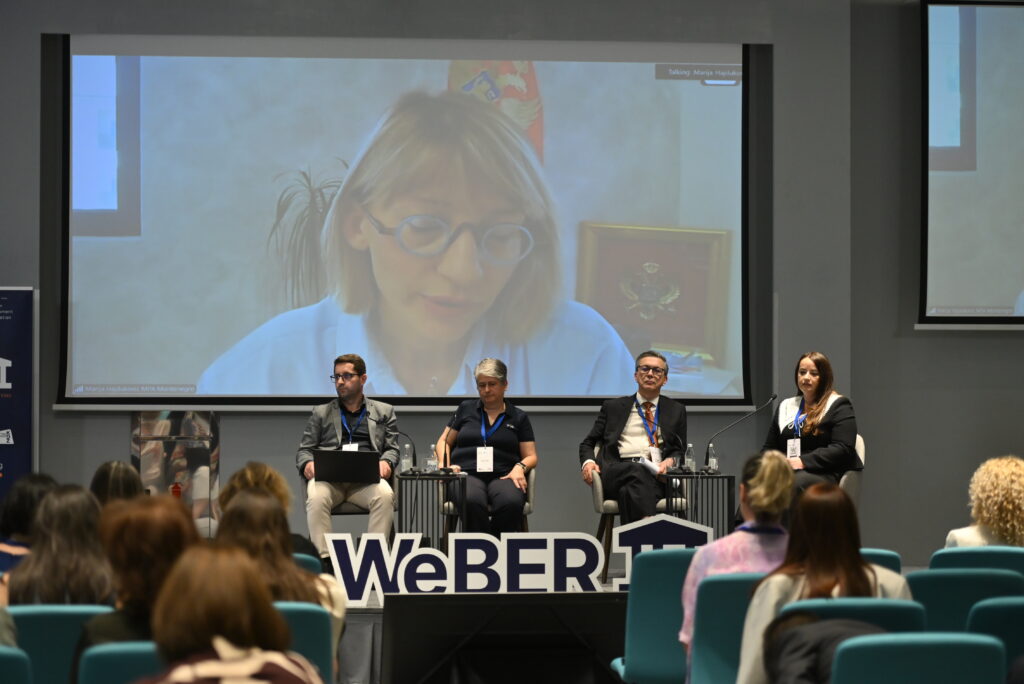
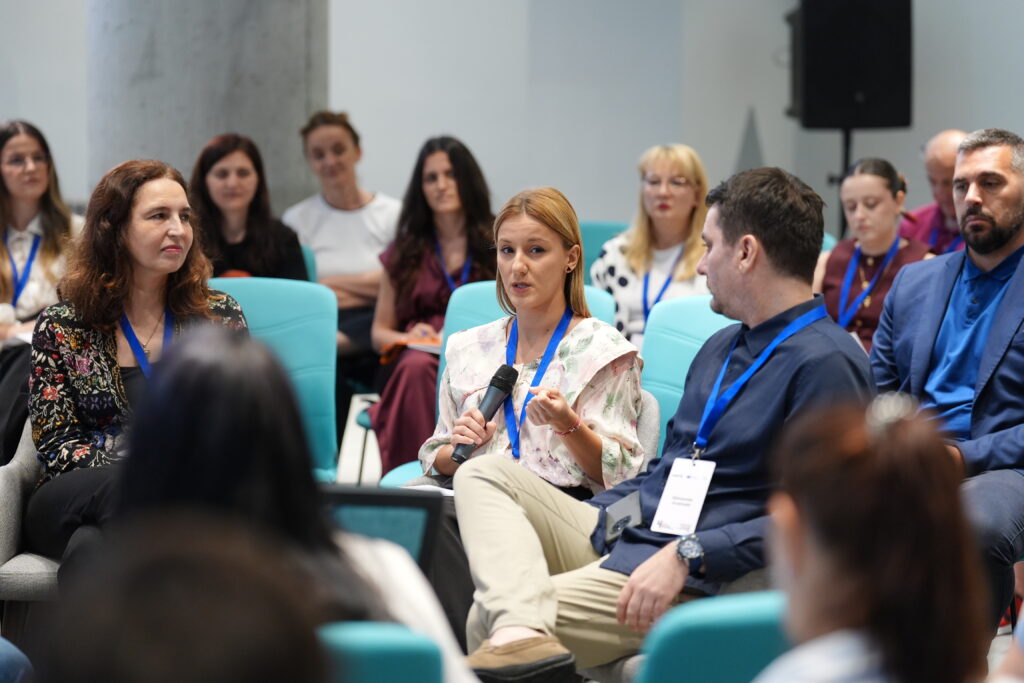
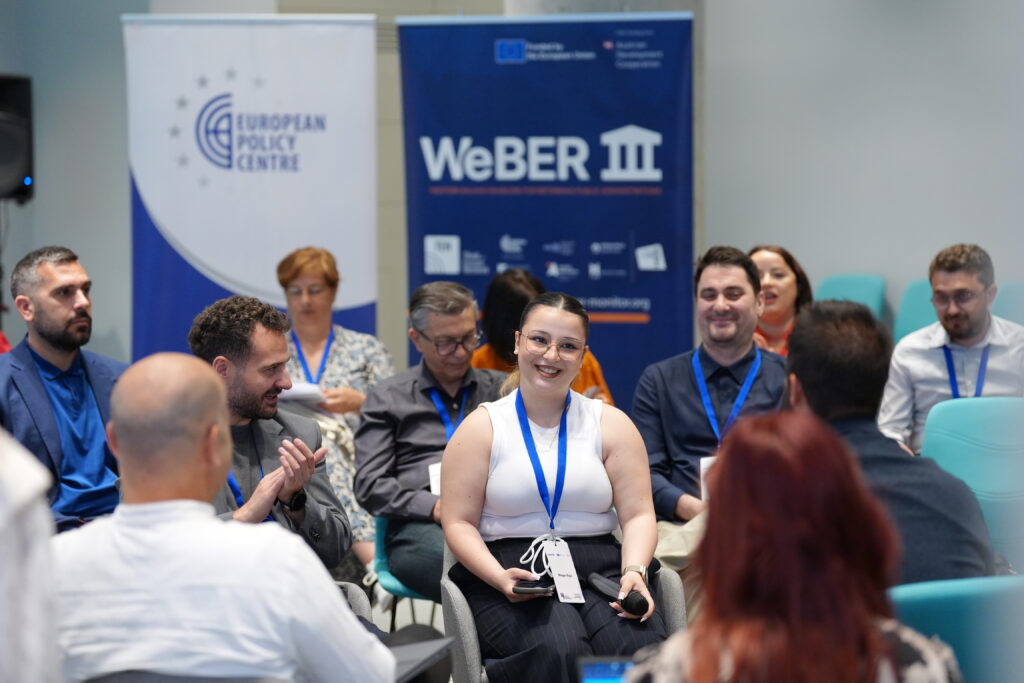
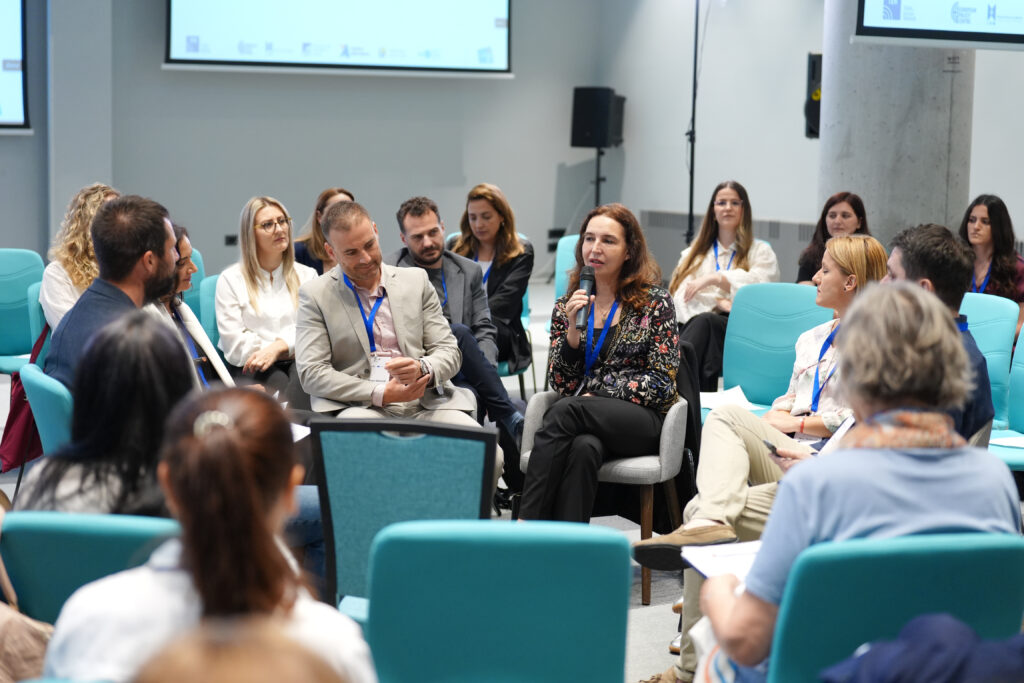
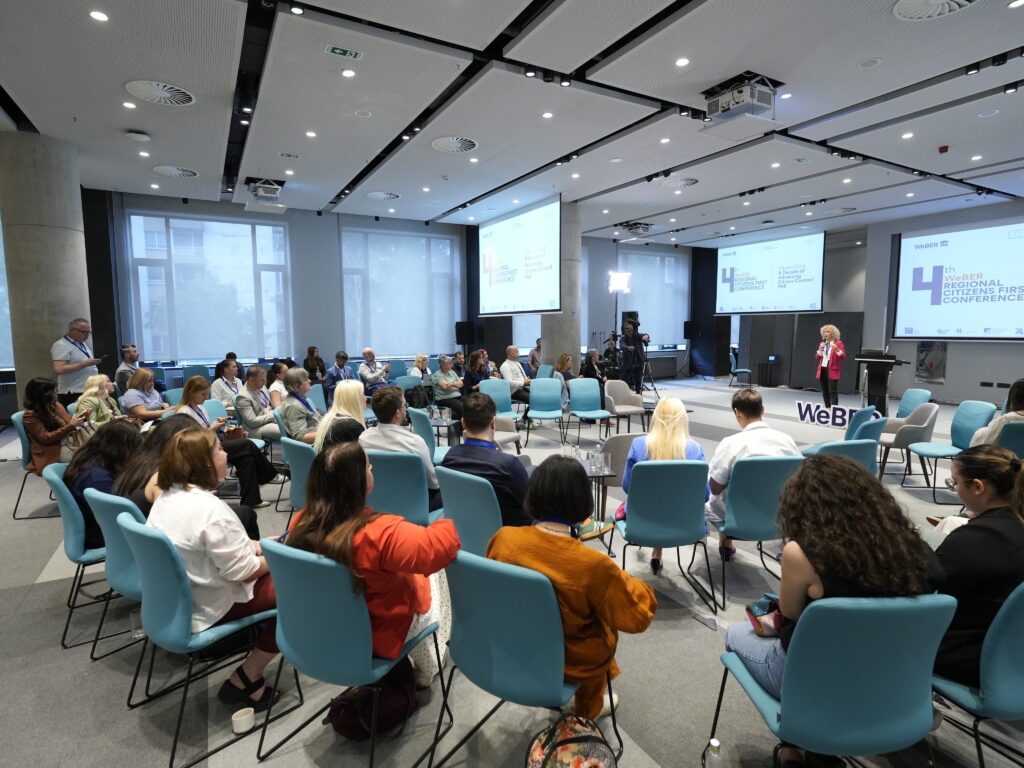
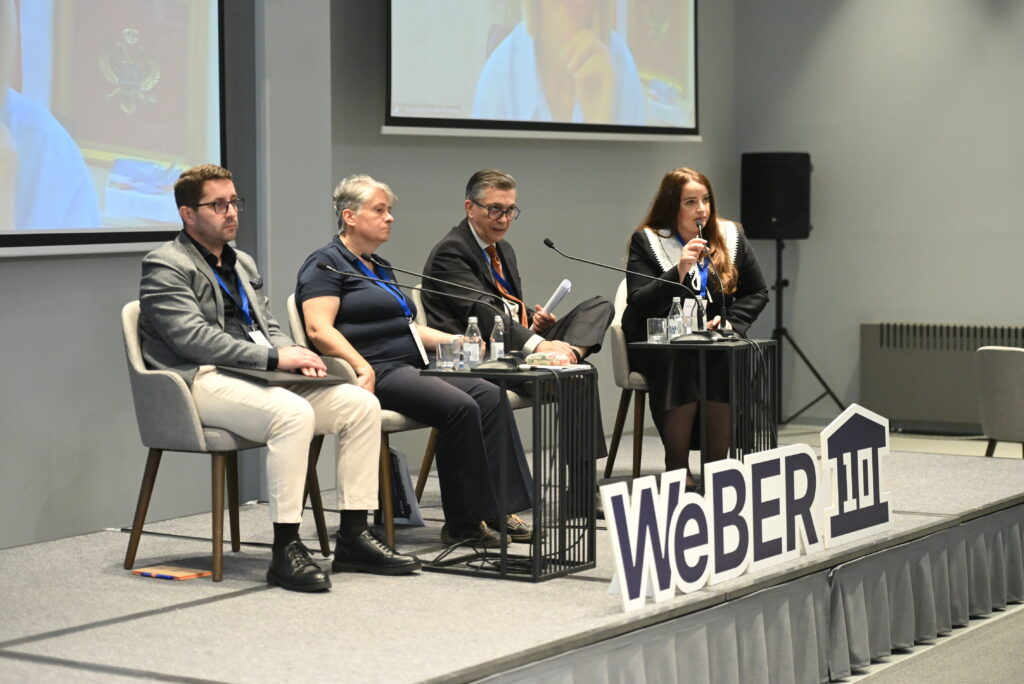
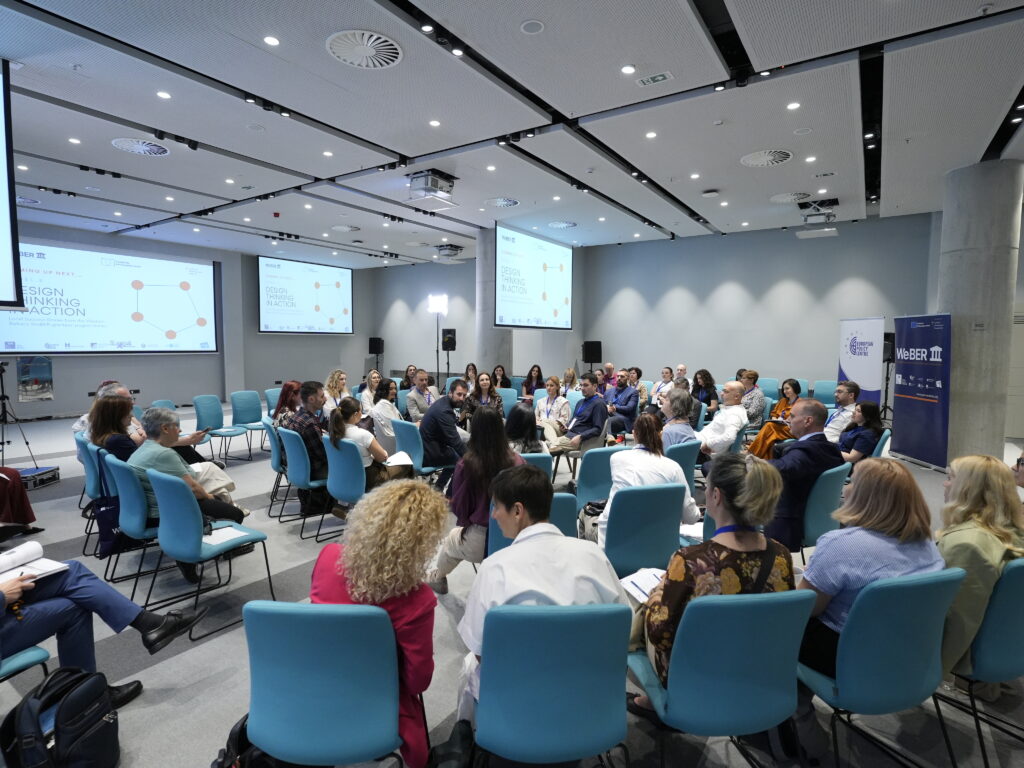
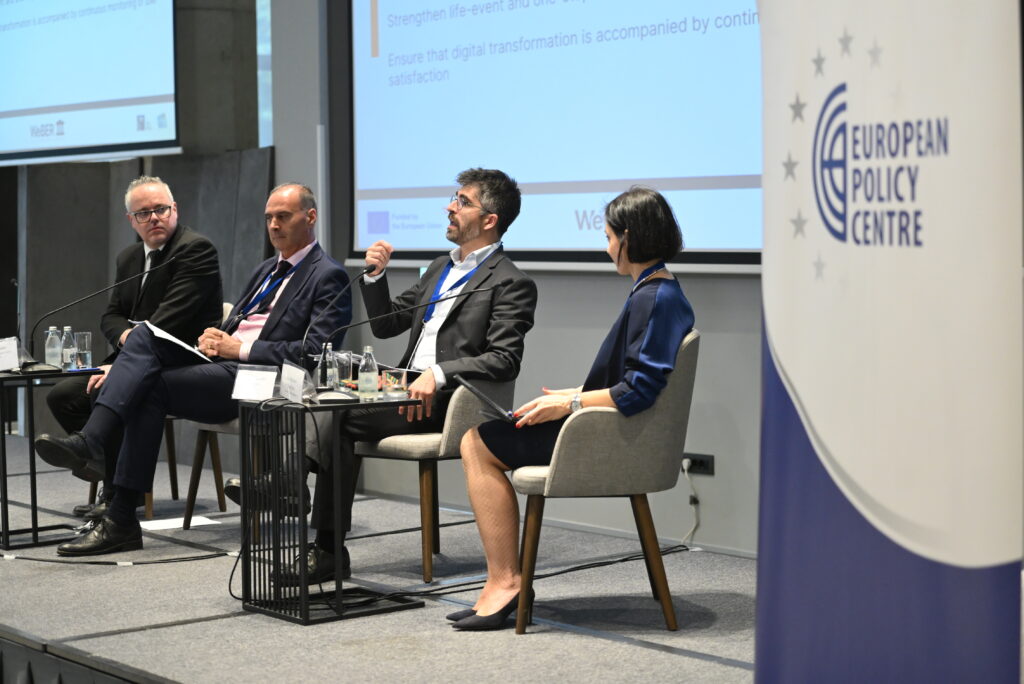
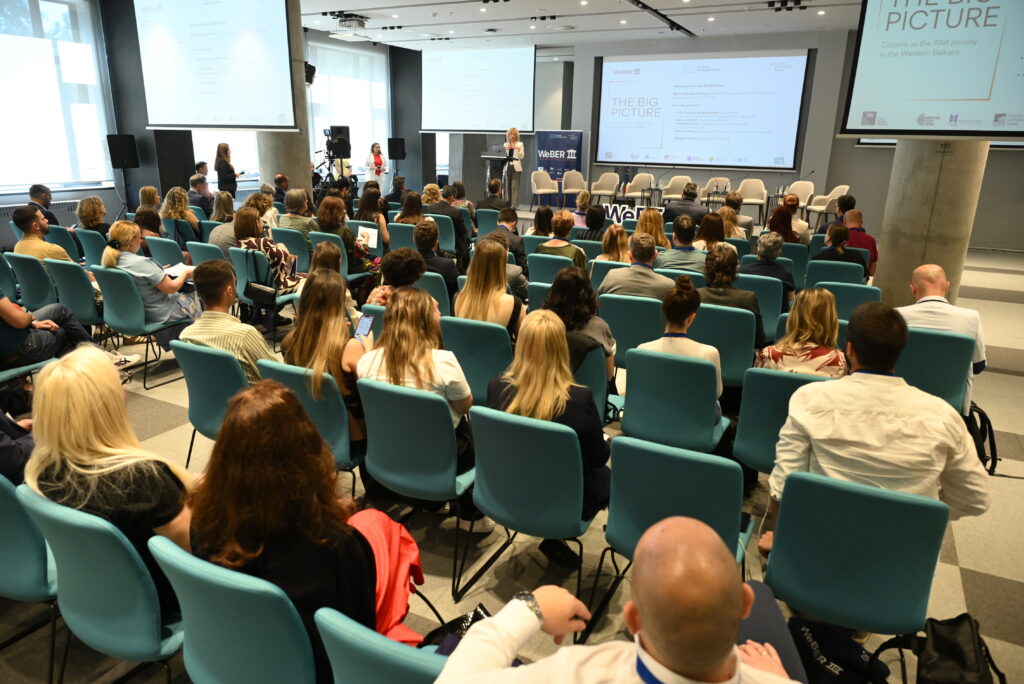
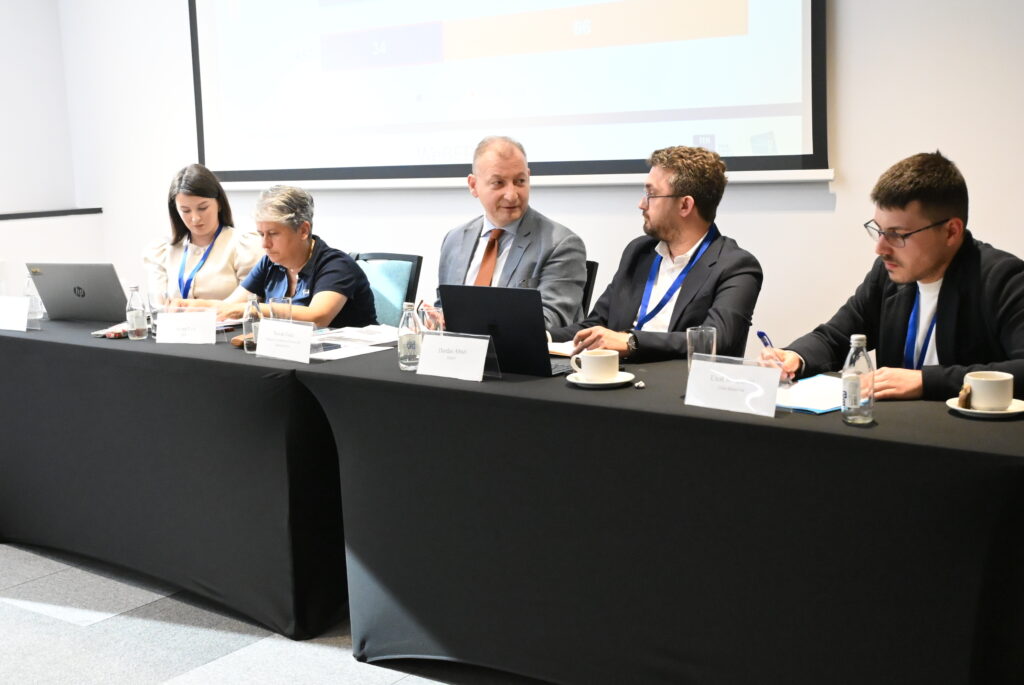
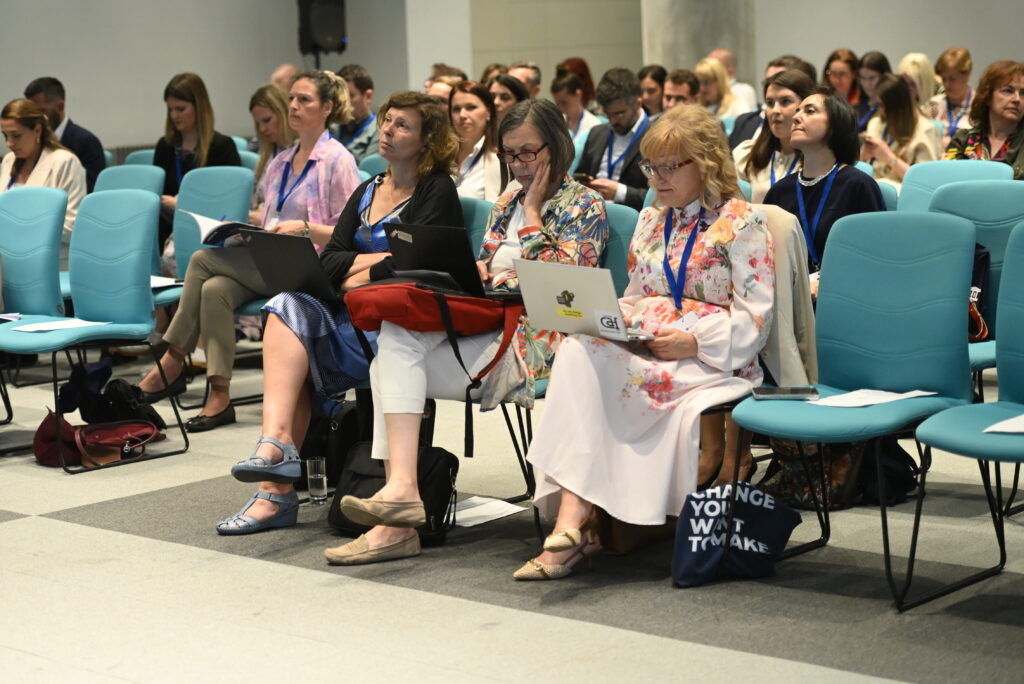
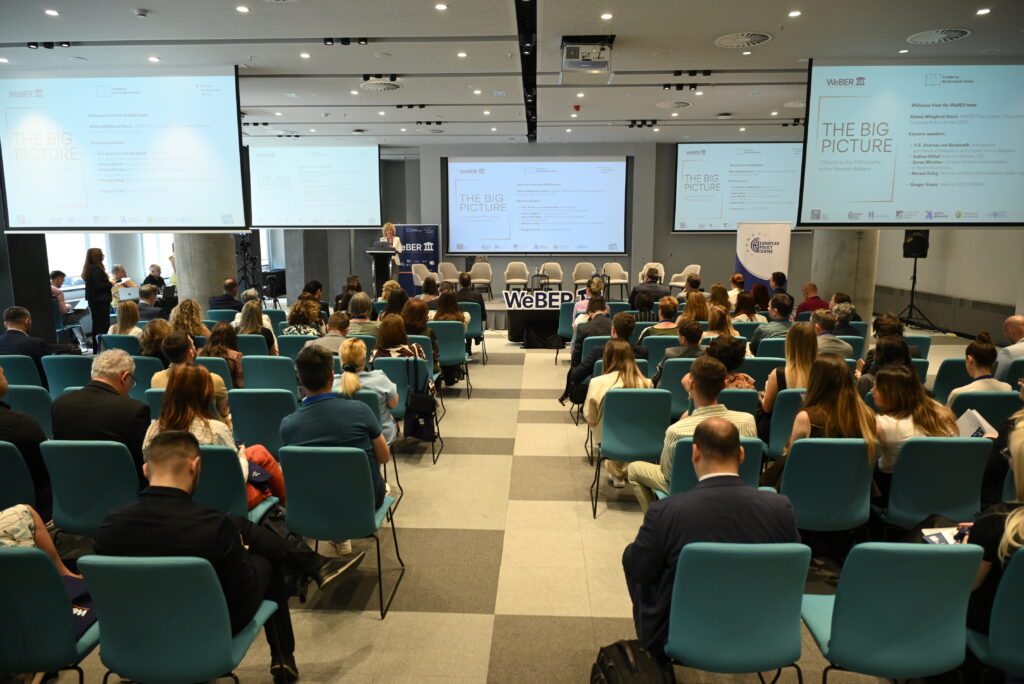
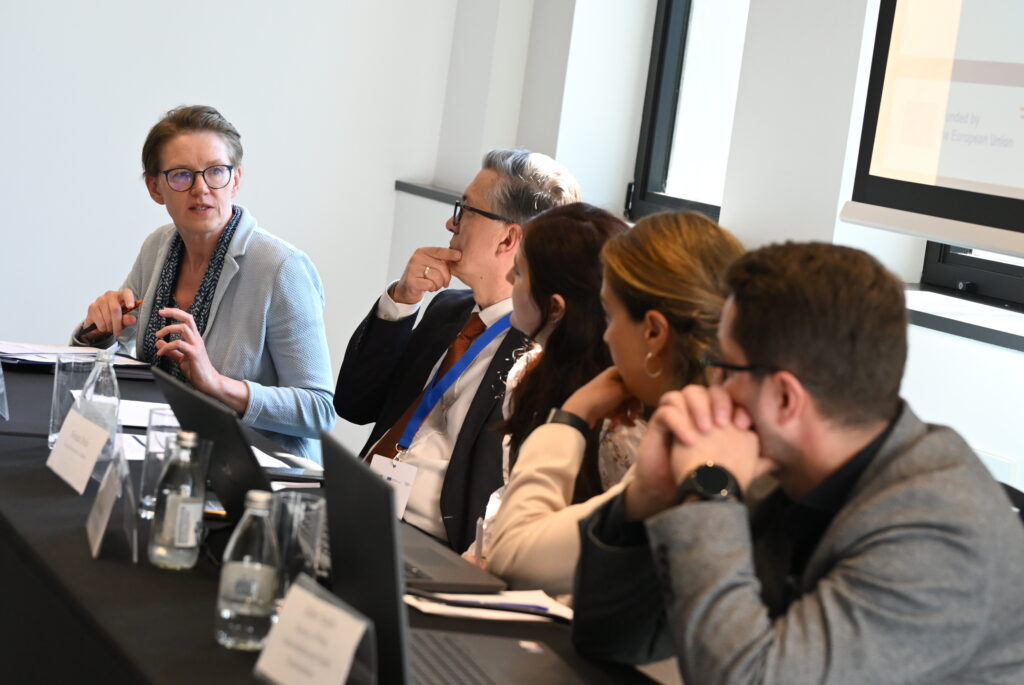
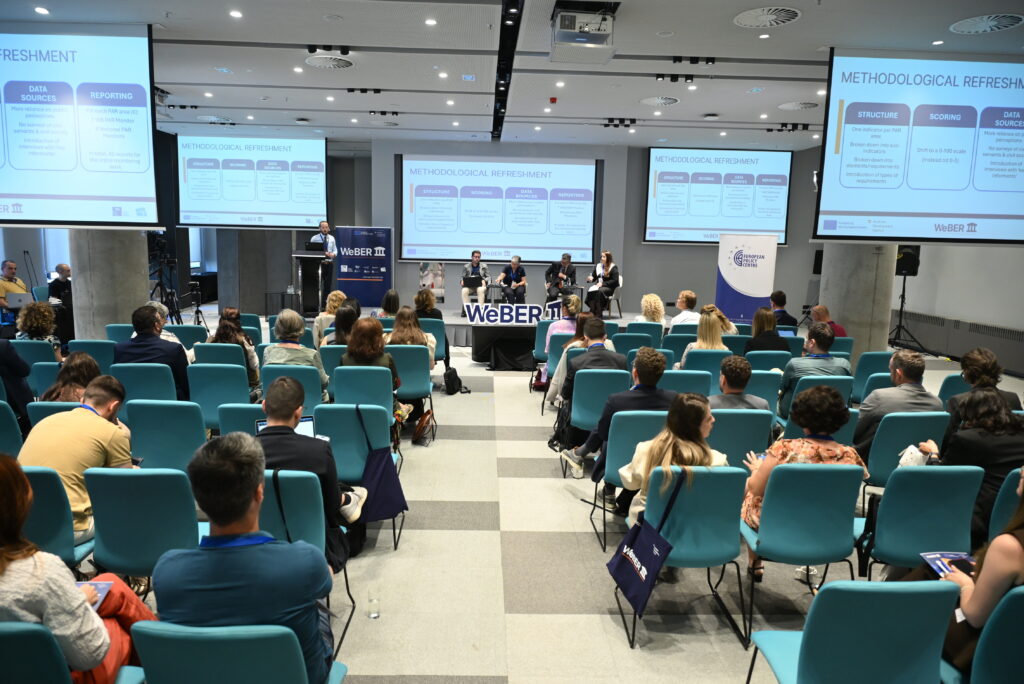
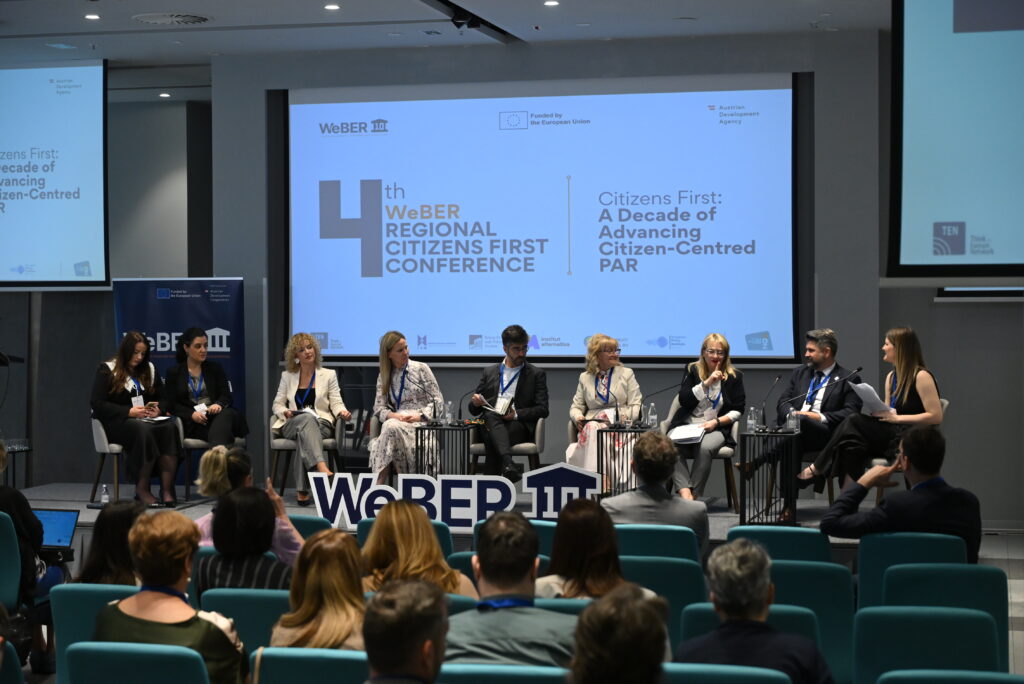
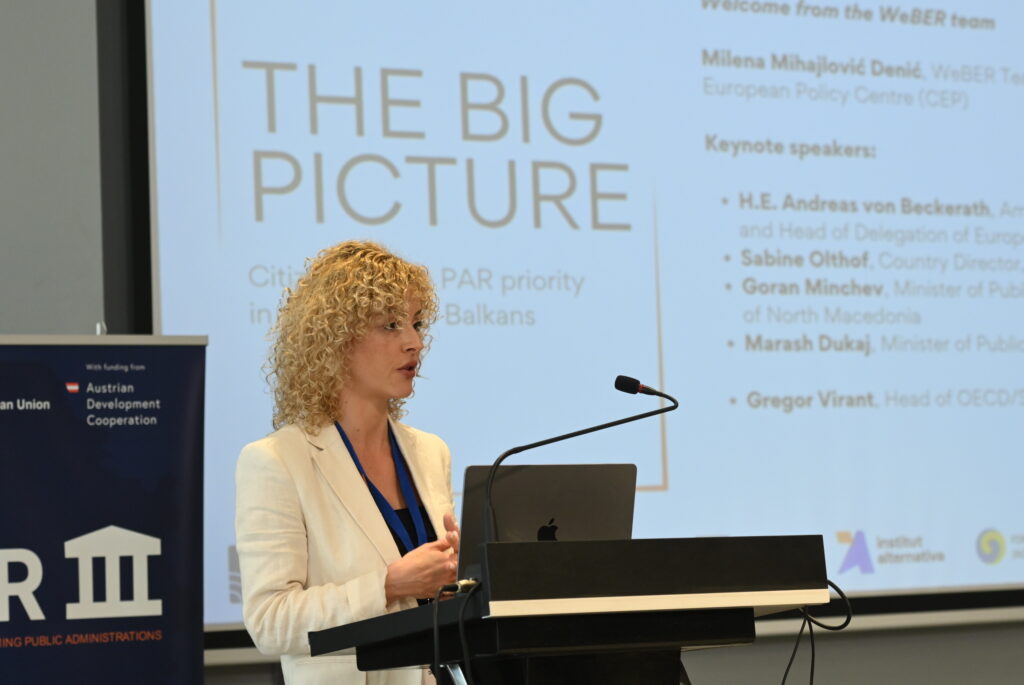
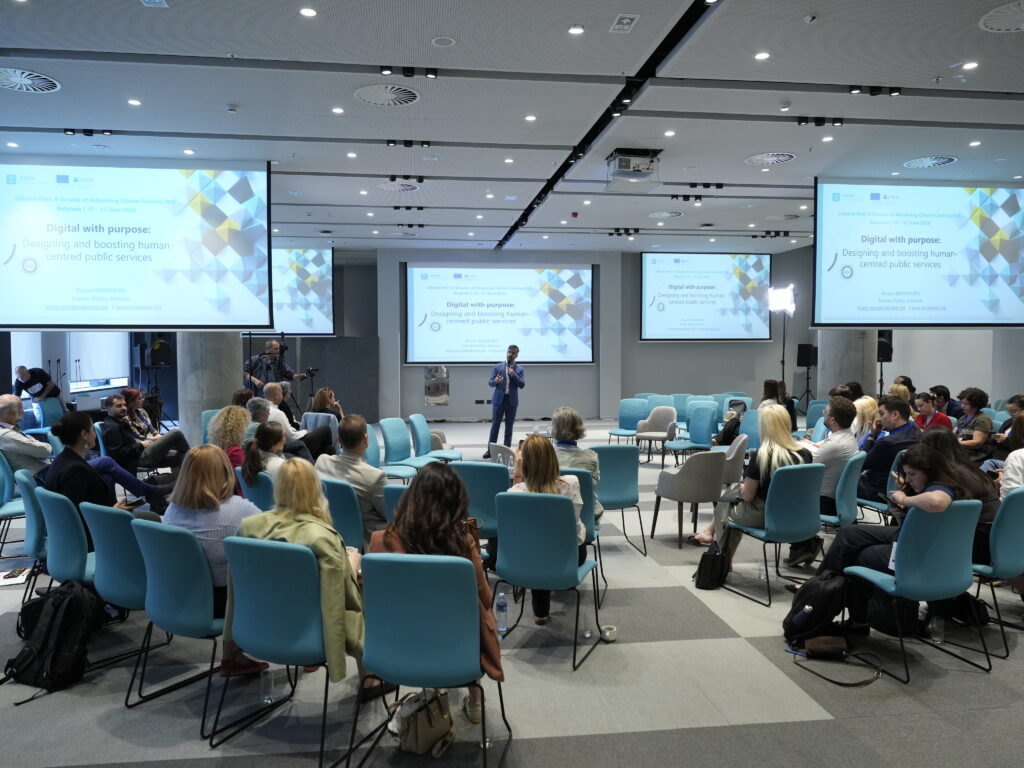
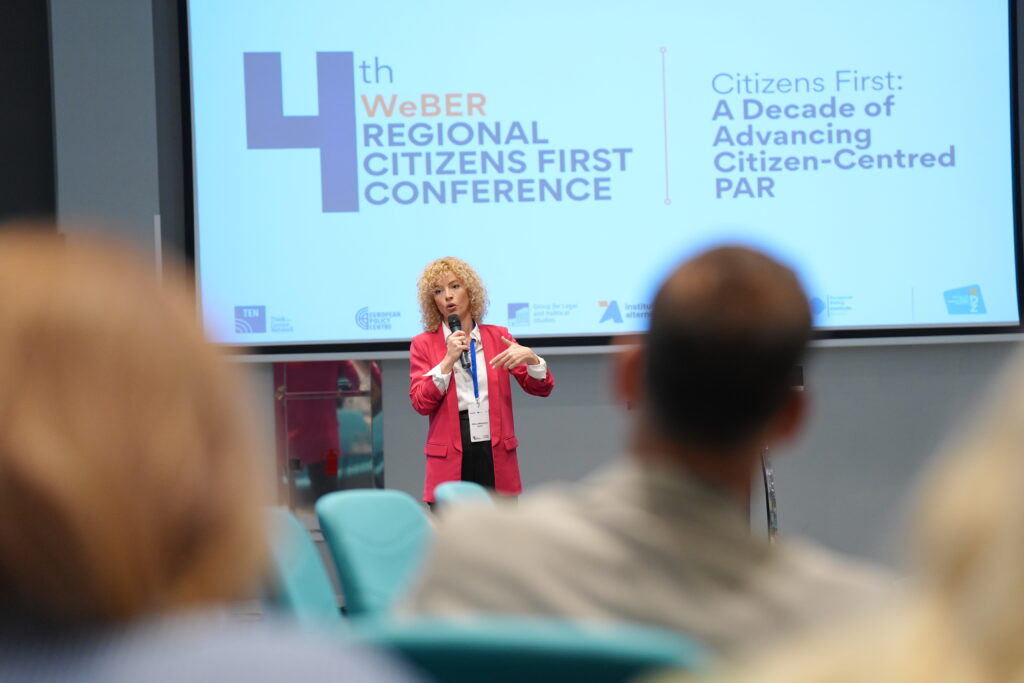
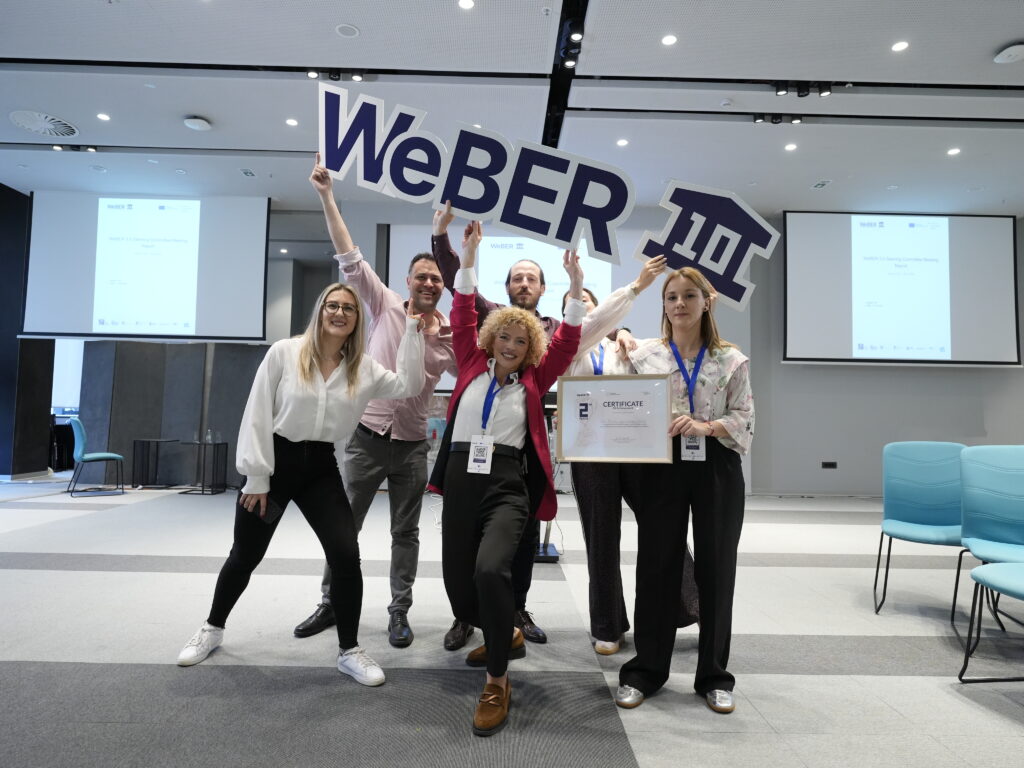
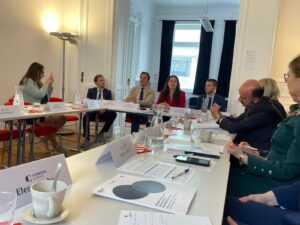
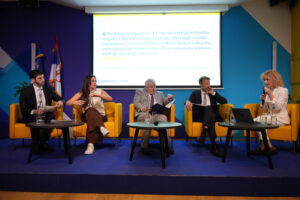
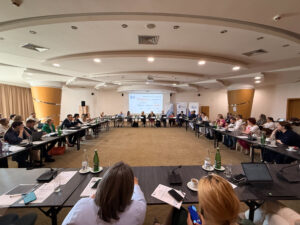
Wednesday, 10 June 2026 – The Fourth WeBER Regional Conference, “Citizens First: A Decade of Advancing Citizen-Centred PAR,” opened today in Belgrade. The conference is taking place on 10 and 11 June 2026, organised by the European Policy Centre (CEP) and the Think for Europe Network (TEN), with the support of the European Union and co-financing from the Austrian Development Agency, within the framework of the project Western Balkan Enablers for Reforming Public Administrations (WeBER 3.0). The conference brought together representatives of institutions and civil society from across the Western Balkans, OECD/SIGMA experts, and practitioners and researchers from the region. As the closing regional event of the WeBER 3.0 project, the conference also marks ten years of continuous work by the WeBER initiative on advancing public administration reform in the region.
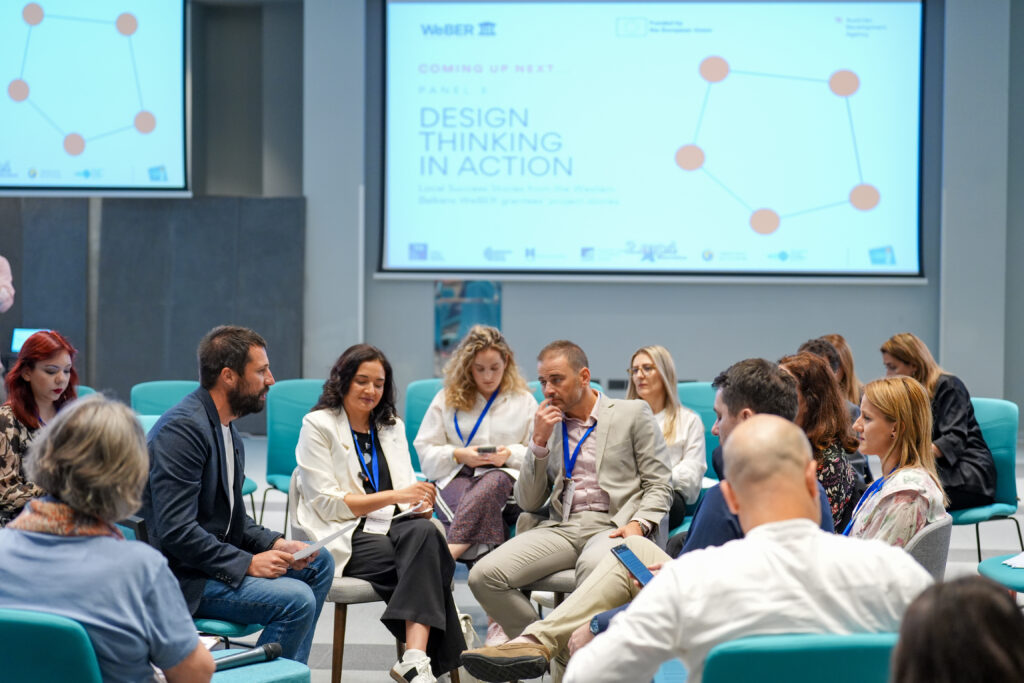
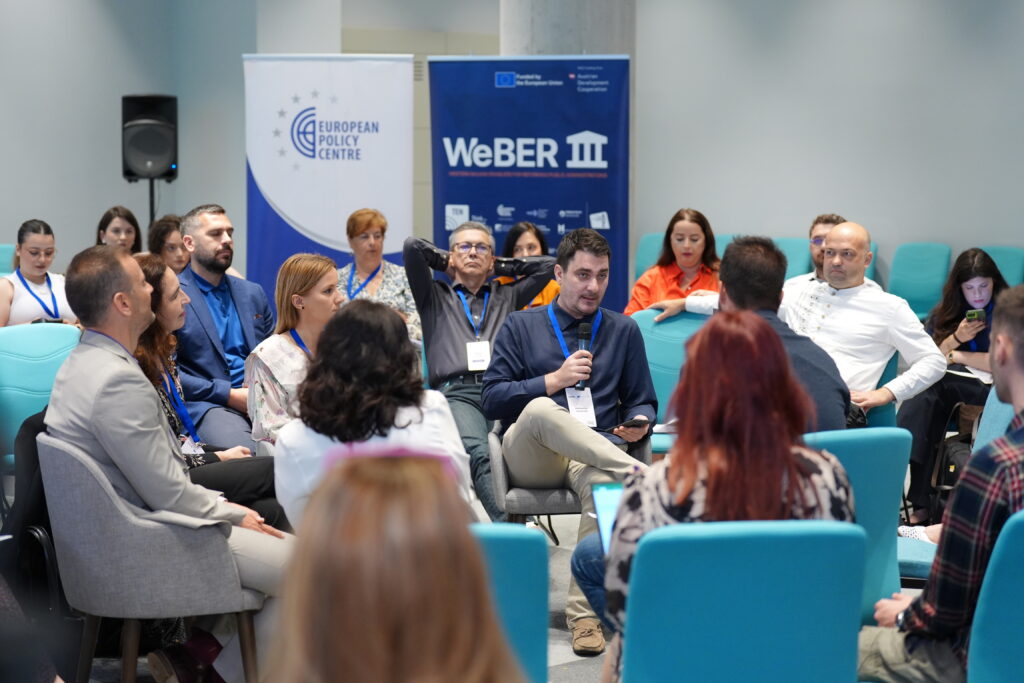
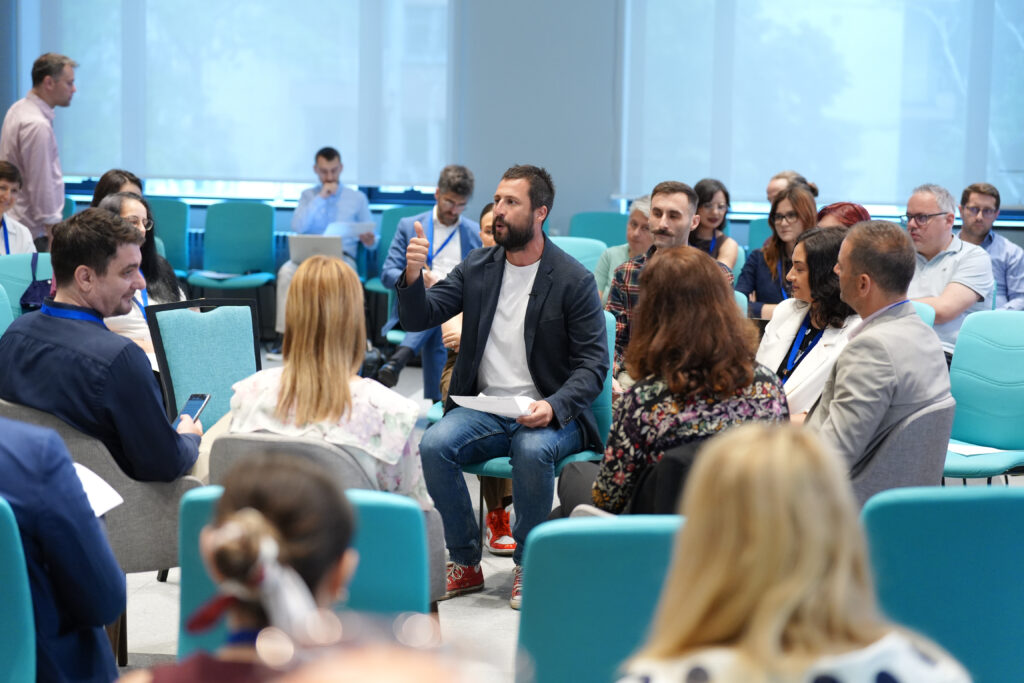
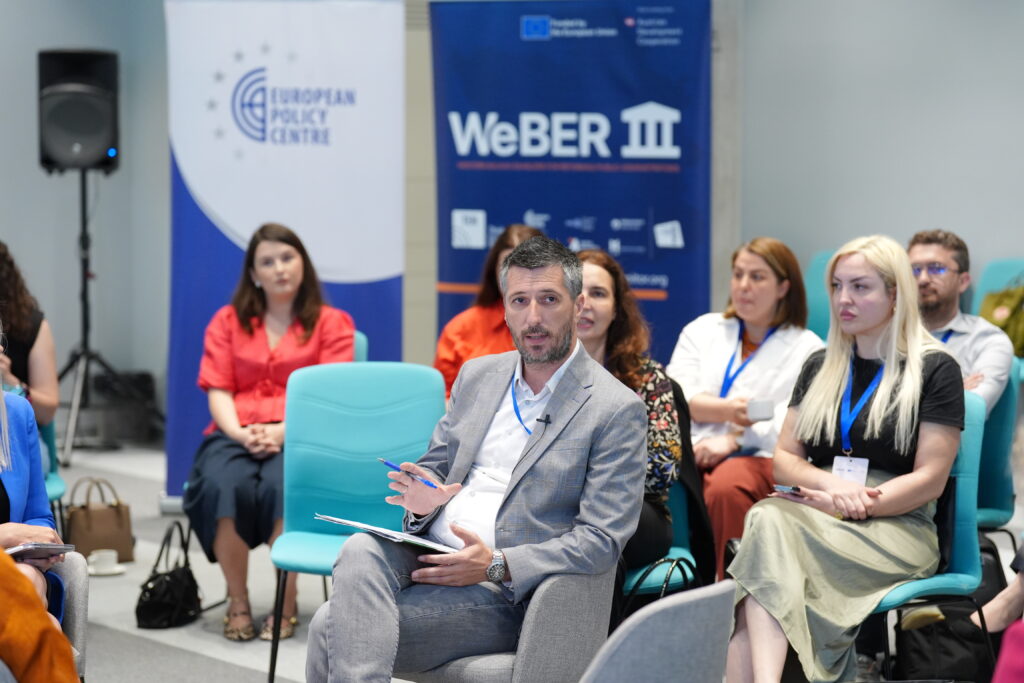
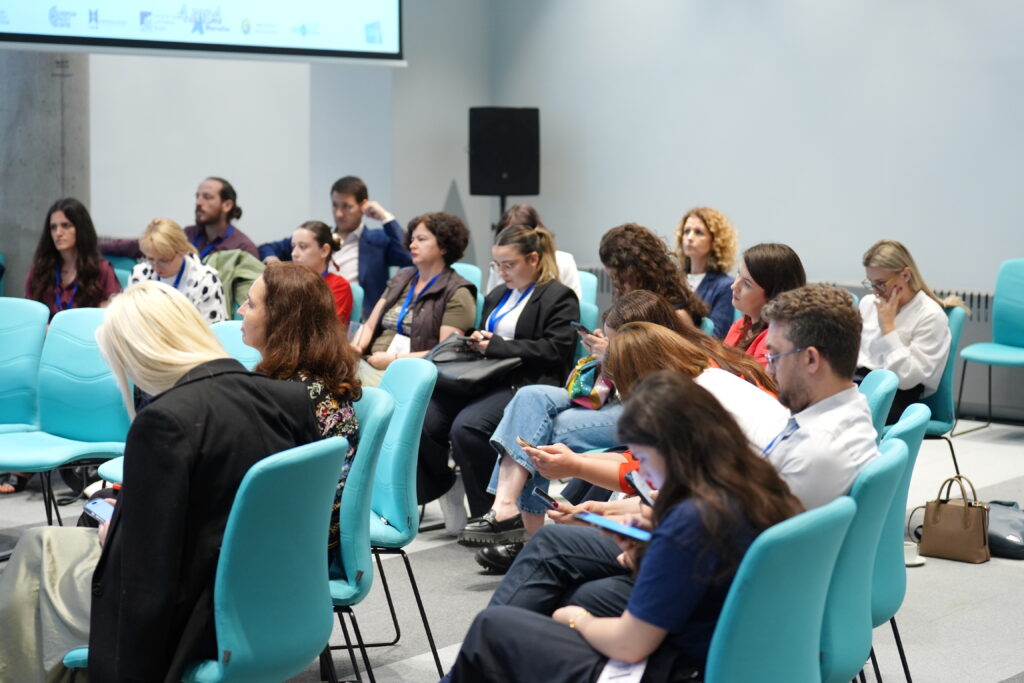
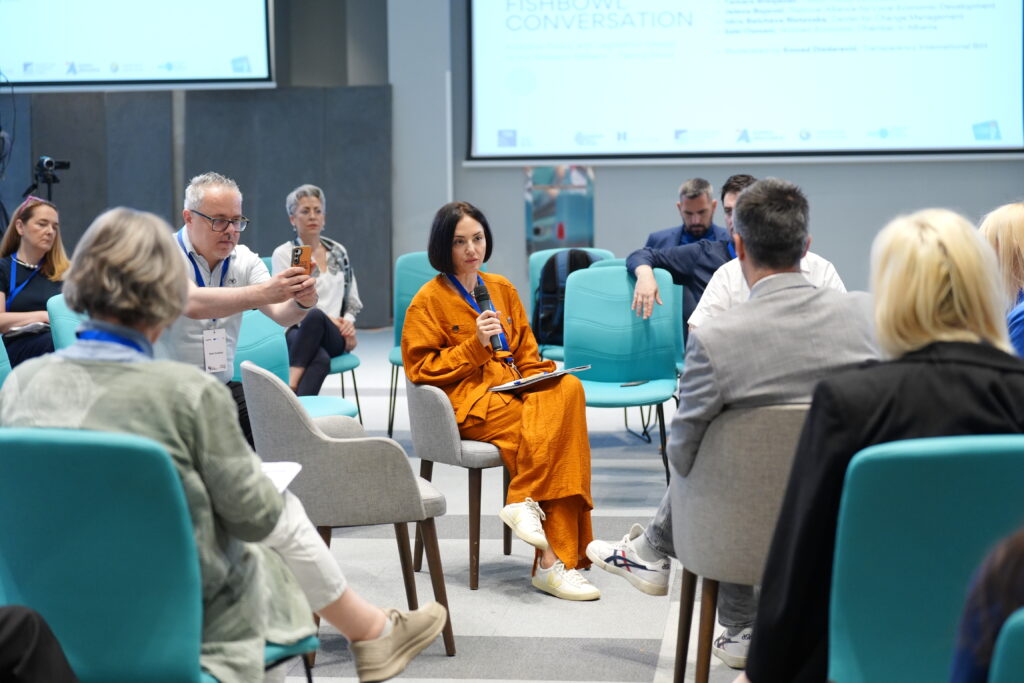
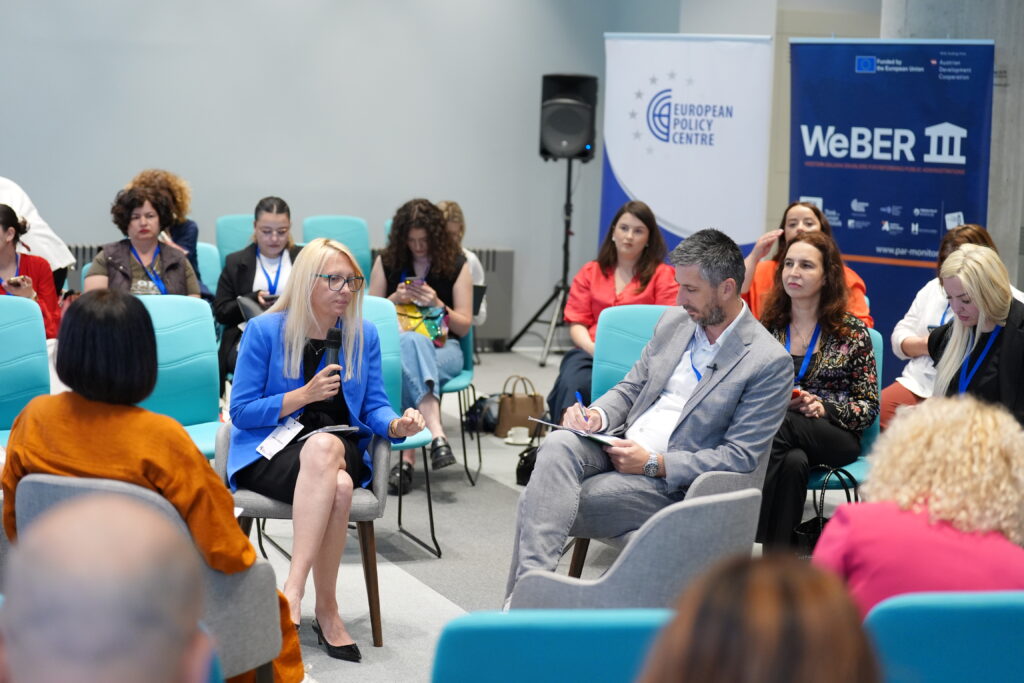
Among the key topics of the conference was the question of how user-centred approaches and public service design should become an integral part of public administration. Through panel discussions and interactive sessions, participants shared experiences from the WeBER Policy Lab process and local initiatives funded under the WeBER small grants programme, discussing how design thinking methodology and participatory approaches can contribute to more accessible, inclusive and efficient public services.
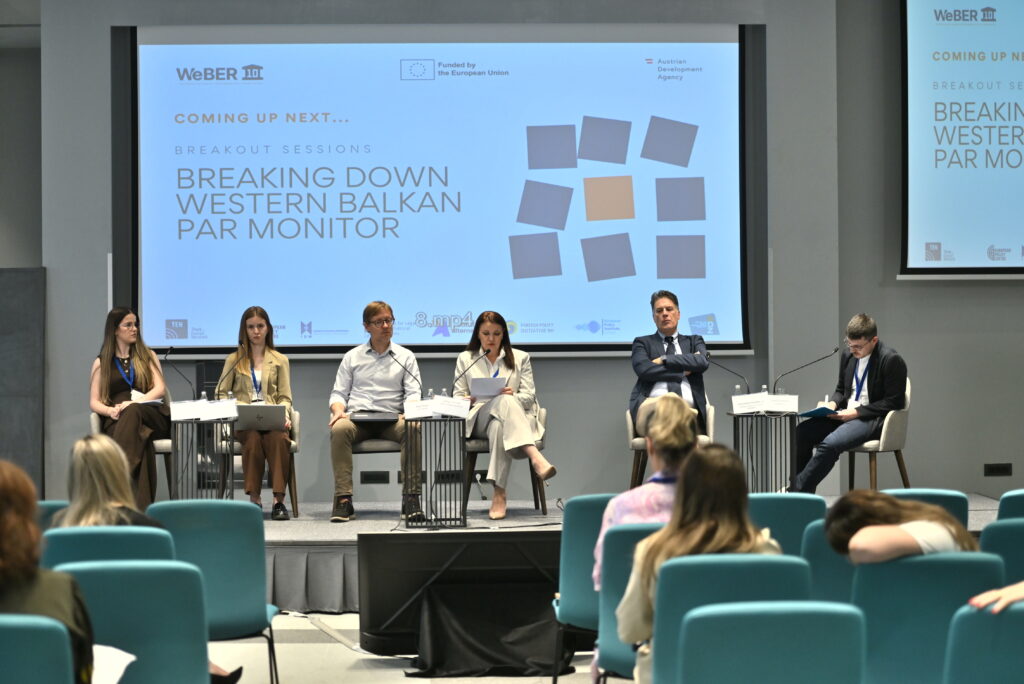
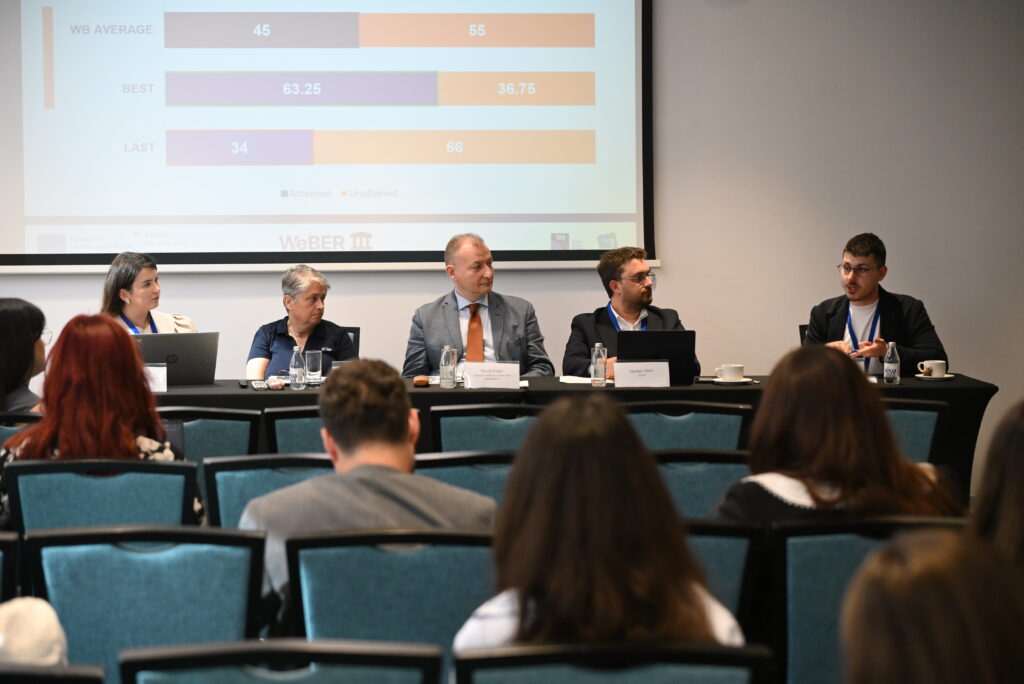
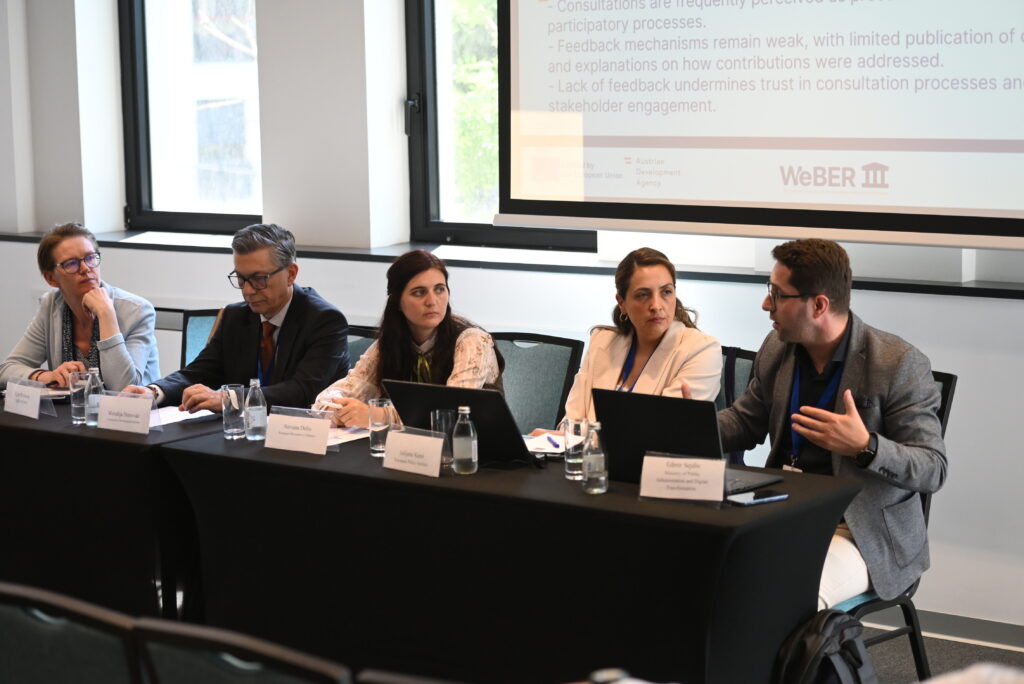
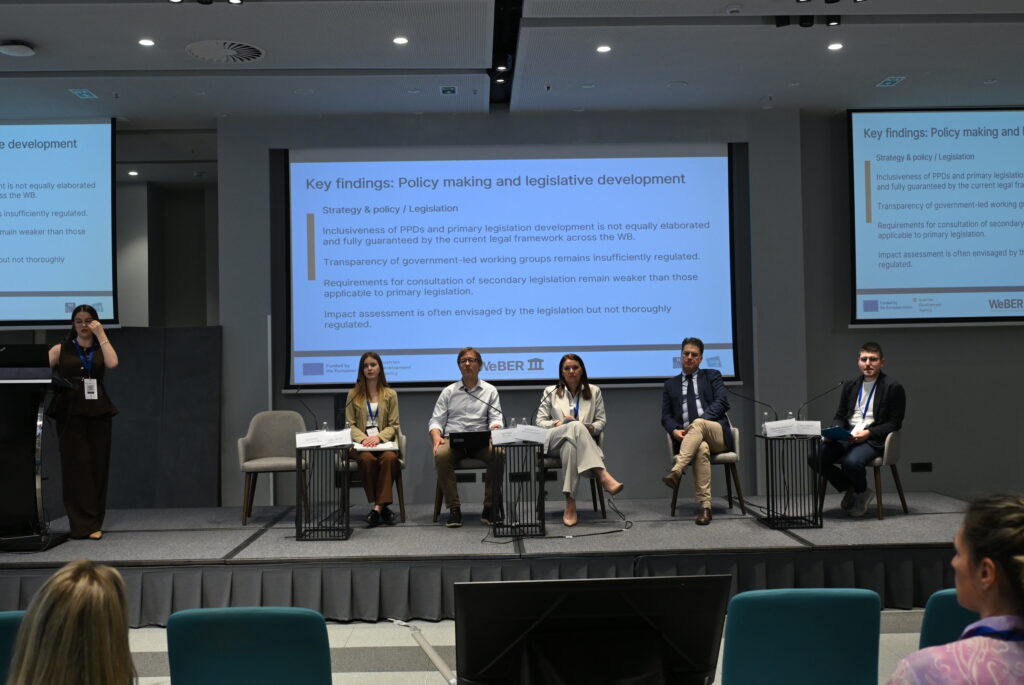
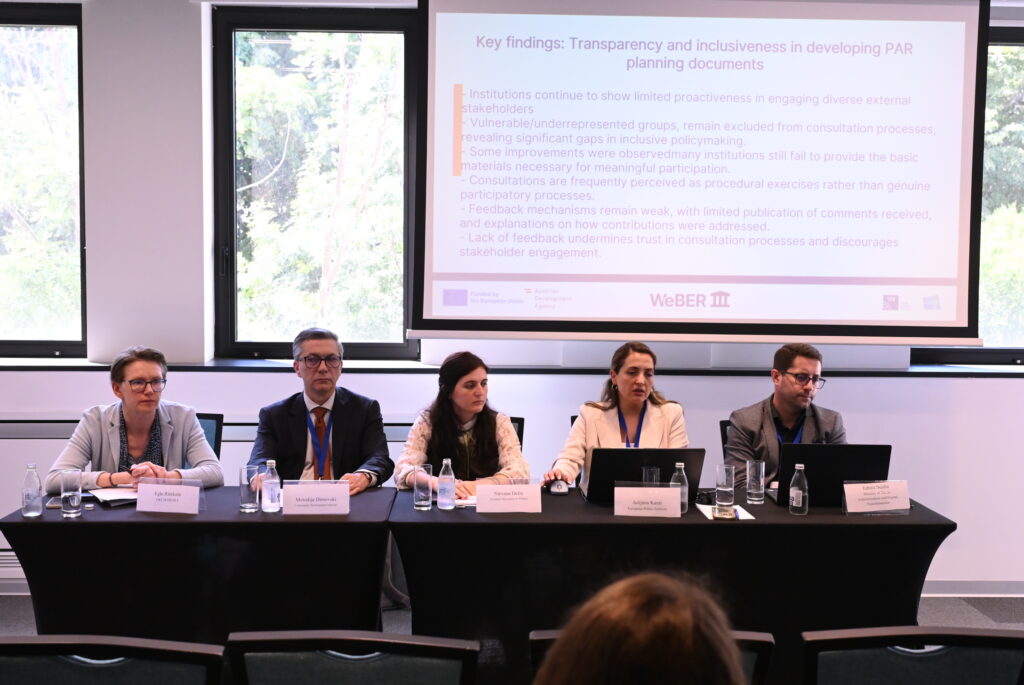
An important part of the programme was the presentation of the findings of the Western Balkan PAR Monitor Report 2024/2025 – WeBER’s flagship analytical product, which provides a comparative assessment of reform progress from the perspective of civil society and citizens. The findings were further discussed through thematic breakout sessions, aiming to move from identifying challenges towards concrete dialogue on obstacles and possible solutions.
On the second day of the conference, grant beneficiaries from across the region will present their projects and the results achieved in local communities, showing how citizen engagement and co-creation can help shape public services that better respond to their needs. Through an interactive discussion format, participants will go on to examine experiences to date and the challenges in applying inclusive and participatory approaches to the design of public policies and regulations.